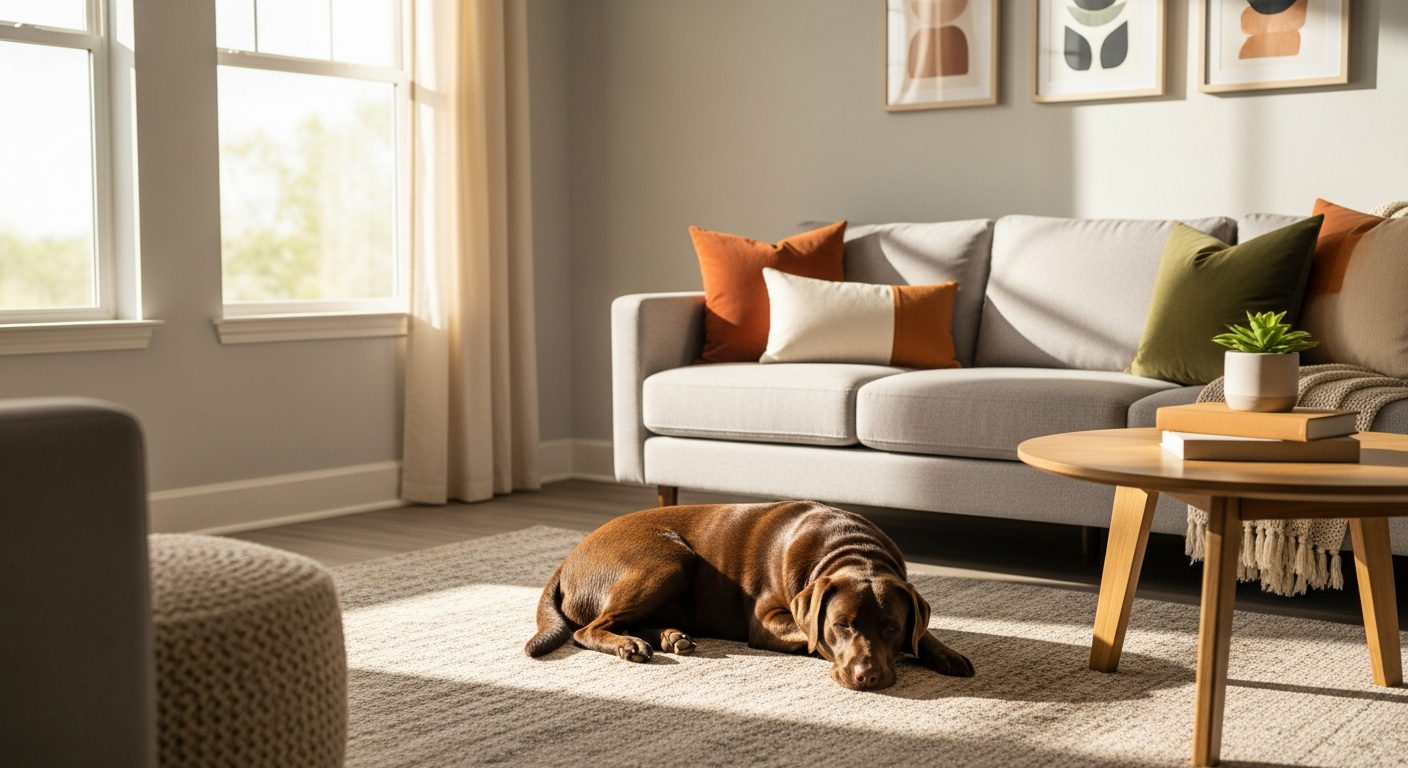
Best Emotional Support Animals for Texas Apartments — A Plain-English Lineup
Choosing the right emotional support animal for your Texas apartment isn't just about which furry friend makes you happiest. You need an animal that thrives in smaller spaces, respects your neighbors, and fits your lifestyle — all while providing the therapeutic benefits that make ESAs so valuable for mental health support.
Whether you're in a downtown Dallas high-rise, a suburban Fort Worth complex, or student housing in Austin, the "best" ESA depends on your specific needs, living situation, and what a licensed mental health professional determines is therapeutically appropriate for you. This guide breaks down the most apartment-friendly options, from classic choices to some you might not have considered.
Remember: any animal can potentially serve as an ESA if a Texas-licensed clinician determines it provides therapeutic benefit for your mental health condition. The key is finding one that works within apartment constraints while supporting your wellbeing.
1. Small to Medium Dogs — The Classic Apartment ESA Choice
Dogs remain the most popular ESA choice for good reason. They're naturally attuned to human emotions, provide companionship, and many breeds adapt beautifully to apartment living. The trick is choosing the right size and temperament for your space and Texas climate.
Breeds like Cavalier King Charles Spaniels, French Bulldogs, and Boston Terriers consistently rank among the best ESA dogs for Texas apartments. They're compact enough for smaller spaces but substantial enough to provide that comforting physical presence many people need. Pugs and Shih Tzus also make excellent apartment ESAs — they're generally quiet, don't require extensive exercise, and handle Texas heat reasonably well with proper care.
Practical takeaway: If you're considering a dog ESA, factor in daily walks (even small dogs need exercise), potential barking issues with neighbors, and Texas summer heat. Many apartment-friendly breeds are brachycephalic (flat-faced) and need extra cooling considerations during our brutal summers.
2. Cats — The Low-Maintenance Apartment Champion
Cats might be the ultimate apartment ESA. They're naturally suited to smaller spaces, don't need walks, and many breeds are exceptionally calm and therapeutic. From a landlord's perspective, cats typically cause less property damage than dogs and generate fewer noise complaints.
Breeds like Ragdolls, British Shorthairs, and Maine Coons (if you have the space) are known for their gentle, therapeutic temperaments. But honestly, many mixed-breed shelter cats make outstanding ESAs. Texas apartment-friendly ESA cats often come from local shelters and rescues — they're already socialized to indoor living and typically cost far less than purebred animals.
The therapeutic benefits are real: that rumbling purr has measurable calming effects, and cats provide companionship without being overly demanding. They're particularly good for people with anxiety disorders or those who need emotional support but have busy schedules.
Practical takeaway: Cats are generally more acceptable to landlords and easier to care for in apartments. Just ensure you can provide enrichment (cat trees, toys, window perches) to keep them mentally stimulated in smaller spaces.
3. Rabbits — The Surprising Apartment ESA
Most people don't think "rabbit" when considering ESAs, but they're quietly becoming popular apartment choices. Rabbits are naturally quiet, can be litter-trained, and many people find their gentle presence deeply calming. They're also allowed in many "no pets" buildings where dogs and cats might not be.
Holland Lops, Netherland Dwarfs, and Mini Rex rabbits are particularly well-suited to apartment living. They don't bark, rarely make noise, and can be surprisingly affectionate and responsive to their owners. Rabbits as emotional support animals in Texas offer unique benefits — they're social enough to provide companionship but independent enough not to be overwhelming.
The downside? Rabbits require specific diets, need daily exercise time outside their enclosures, and require exotic vet care, which can be more expensive. They're also prey animals, so they can be skittish around loud noises — something to consider if you live in a busy urban complex.
Practical takeaway: Rabbits work well for people who want a calm, quiet ESA but still want an animal that can interact and show affection. Budget for higher vet costs and rabbit-proof your apartment space.
4. Guinea Pigs — Small Space, Big Personality
Guinea pigs might seem like an odd ESA choice, but they're surprisingly social and responsive animals. They're small enough for any apartment, relatively quiet (though they do "wheek" when excited), and can be quite affectionate with proper handling.
The therapeutic benefit comes from their social nature — guinea pigs are naturally vocal and interactive. Many owners find the daily routine of caring for them grounding, and their gentle squeaks and movements can be soothing. They're also relatively inexpensive to care for compared to dogs or cats.
Guinea pigs do best in pairs, so you might consider two (with your clinician's approval). They need daily floor time for exercise and fresh vegetables as part of their diet. They're also more active during dawn and dusk, which works well for most people's schedules.
Practical takeaway: Guinea pigs are excellent for small apartments and tight budgets, but they do require daily interaction and a proper diet. They're particularly good for people who find routine care therapeutic.
5. Birds — The Interactive Apartment ESA
The right bird can make an excellent apartment ESA, particularly for people who benefit from interactive, responsive animals. Cockatiels, conures, and smaller parrot species can be surprisingly therapeutic — they're intelligent, social, and many people find their songs and chatter comforting.
Birds offer unique benefits: they're naturally attuned to their owner's moods, can learn routines, and provide entertainment and interaction throughout the day. Many people with depression find the bright colors and active nature of birds particularly uplifting.
The challenge is noise. Even "quiet" birds can be too loud for thin-walled apartments, and many species are most vocal during dawn and dusk. You'll also need to consider your lease terms — some apartments that allow traditional pets still restrict birds due to noise concerns.
Practical takeaway: Birds can provide exceptional emotional support but require research into noise levels and apartment policies. They're best for people who enjoy interactive, intelligent animals and don't mind daily cage maintenance.
6. Fish — The Calming Visual ESA
Fish might seem like the least "supportive" ESA option, but many people find aquariums deeply therapeutic. There's actual research showing that watching fish can lower blood pressure and reduce anxiety. For apartment living, fish are unbeatable — no noise, no space requirements beyond the tank, and no neighbor complaints.
A well-maintained aquarium provides routine, visual interest, and a calming presence. Many people with anxiety disorders or PTSD find the gentle movement and quiet bubbling of an aquarium grounding. Plus, fish are the most landlord-friendly ESA option — they cause zero property damage and generate no complaints.
The therapeutic benefits come from the routine of care, the visual stimulation, and the meditative quality of watching fish. Some people also find the responsibility of maintaining an ecosystem rewarding and stabilizing.
Practical takeaway: Fish work best for people who find visual and routine-based therapy helpful. They're perfect for small apartments and restrictive lease situations, but they won't provide the interactive companionship some people need from an ESA.
7. Ferrets — The Playful Apartment Option
Ferrets are less common ESAs, but they can be excellent apartment animals for the right person. They're naturally playful, social, and many owners find their antics genuinely mood-lifting. They're also relatively quiet and don't require outdoor exercise.
Ferrets are particularly good for people who benefit from interactive, playful animals but don't want the commitment level of a dog. They sleep 18-20 hours a day, making them suitable for smaller spaces, but they're active and engaging during their waking hours.
The challenges: ferrets require ferret-proofing (they're escape artists), need specific diets, and require exotic vet care. They also have a natural musky scent that some people find off-putting, even with proper care.
Practical takeaway: Ferrets are excellent for people who want a playful, interactive ESA without dog-level commitment. Budget for specialized vet care and spend time ferret-proofing your apartment.
8. Hamsters — The Minimal-Space ESA
For truly tiny apartments or strict budgets, hamsters can provide emotional support benefits. They're small, relatively quiet (mostly active at night), and require minimal space. Many people find the routine of daily care and gentle handling therapeutic.
Syrian hamsters are generally the best choice for ESAs — they're larger than dwarf varieties, can be handled more easily, and are typically less skittish. The therapeutic benefit often comes from the routine and responsibility rather than interactive companionship.
The downside is their short lifespan (2-3 years) and nocturnal nature. They're most active when you might be trying to sleep, and their shorter lifespans mean potential grief and loss more frequently than with other ESA options.
Practical takeaway: Hamsters work for very small spaces and tight budgets, but consider whether their nocturnal activity and shorter lifespans align with your therapeutic needs.
What Makes an Animal "Apartment-Friendly" for ESA Purposes?
The best ESAs for Texas apartments share several key characteristics: they adapt well to smaller spaces, don't create excessive noise that disturbs neighbors, and fit within reasonable care requirements for apartment living. Size isn't everything — a calm medium dog might be more apartment-suitable than a hyperactive small breed.
Consider your specific therapeutic needs too. Someone with severe depression might benefit from a more interactive animal like a dog or bird, while someone with anxiety might find a calm cat or peaceful aquarium more helpful. The "best" ESA is the one that provides you with therapeutic benefit while working within your housing constraints.
Remember that basic ESA training and preparation can make any animal more apartment-suitable. Good behavior, proper socialization, and consistent routines help any ESA succeed in apartment living.
Texas-Specific Considerations for Apartment ESAs
Texas heat affects ESA choices more than many people realize. Brachycephalic dogs (pugs, bulldogs) need extra cooling considerations, while some animals like rabbits are sensitive to temperature extremes. Factor in your apartment's cooling costs and your animal's heat tolerance.
Texas also has specific housing laws that protect ESA owners. Under federal Fair Housing Act protections and Texas property code, landlords cannot charge pet deposits or monthly pet rent for legitimate ESAs with proper documentation. However, you're still responsible for any damage your ESA causes, so choose an animal that fits your space and your ability to supervise them.
If you're considering an ESA for housing accommodation, you'll need proper documentation from a Texas-licensed mental health professional. Texas ESA housing letters must meet specific requirements to be valid under Fair Housing Act protections.
Getting Your Texas ESA Letter
Before you bring any animal into your apartment as an ESA, you need a legitimate ESA letter from a licensed mental health professional. This isn't about "registering" your pet (those online registries are scams) — it's about getting a clinical evaluation to determine whether an ESA is therapeutically appropriate for your mental health needs.
A valid Texas ESA letter must come from a licensed clinician who can legally practice in Texas — typically an LCSW, LMHC, LMFT, psychologist, psychiatrist, or in some cases, a primary care provider. The letter should be written on the clinician's letterhead, include their license information, and specifically state that you have a qualifying mental health condition and that the ESA provides therapeutic benefit.
At Cheap ESA Letter Texas, we connect you with Texas-licensed mental health professionals who can evaluate whether an ESA is right for your situation. Our pricing is transparent, our process is straightforward, and we only work with legitimately licensed clinicians who follow Texas regulations.
Making the Right Choice for Your Situation
The "best" ESA for your Texas apartment depends on multiple factors: your therapeutic needs, living space, budget, lifestyle, and what animal you genuinely connect with. A calm cat might be perfect for someone with anxiety but completely wrong for someone who needs the interactive engagement of a dog.
Consider your long-term situation too. Are you likely to move to different apartments? Some animals adapt to moves better than others. Are you prepared for 10-15 years of care (for dogs and cats) or do you prefer animals with shorter commitments?
Most importantly, remember that an ESA should provide genuine therapeutic benefit. This isn't about finding a loophole to keep a pet in a no-pets building — it's about finding an animal companion that supports your mental health in a measurable way.
Disclaimer and Next Steps
Important: This article provides general information about emotional support animals and is not medical, mental health, or legal advice. ESA determinations must be made by qualified mental health professionals licensed in Texas. For housing disputes or landlord issues, consult a Texas-licensed attorney or your local legal aid office.
Whether you choose a playful dog, a calm cat, a quiet rabbit, or any other animal, the most important step is getting proper evaluation and documentation from a licensed clinician. Only they can determine whether an ESA is therapeutically appropriate for your specific mental health needs.
Ready to explore whether an ESA might be right for your situation? Our Texas-licensed mental health professionals can provide the evaluation and documentation you need, with honest pricing and no hidden fees. Because the right emotional support animal — properly documented and legally protected — can make all the difference in your daily life and housing stability.
Ready to start your Texas ESA letter?
Licensed Texas clinician review. Compliant with state law.
Start My Texas ESA Letter